Key Takeaways
- Outlines basic steps to determine whether a business may need to perform a risk assessment under the California Consumer Privacy Act (CCPA) in connection with its use of dashcams
- Provide a resource for exploring the basic requirements for conducting and reporting risk assessments
If you have not reviewed the recently approved, updated CCPA regulations, you might want to soon. There are several new requirements, along with many modifications and clarifications to existing rules. In this post, we discuss a new requirement – performing risk assessments – in the context of dashcam and related fleet management technologies.
In short, when performing a risk assessment, the business needs to assess whether the risk to consumer privacy from the processing of personal information outweighs the benefits to consumers, the business, others, and the public, and, if so, restricting or prohibiting that processing, as appropriate.
Of course, the first step to determine whether a business needs to perform a risk assessment under the CCPA is to determine whether the CCPA applies to the business. We discussed those basic requirements in Part 1 of our post on risk assessments under the CCPA.
If you are still reading, you have probably determined that your organization is a “business” covered by the CCPA and, possibly, your business is using certain fleet management technologies, such as dashcam or other vehicle tracking technologies. Even if that is not the case, the remainder of this post may be of interest for “businesses” under the CCPA that are curious about examples applying the new risk assessment requirement.
As discussed in Part 1 of our post on the basics of CCPA risk assessments, businesses are required to perform risk assessments when their processing of personal information presents “significant risk” to consumer privacy. The regulations set out certain types of processing activities involving personal information that would trigger a risk assessment. Depending on the nature and scope of the dashcam technology deployed, a business should consider whether a risk assessment is required.
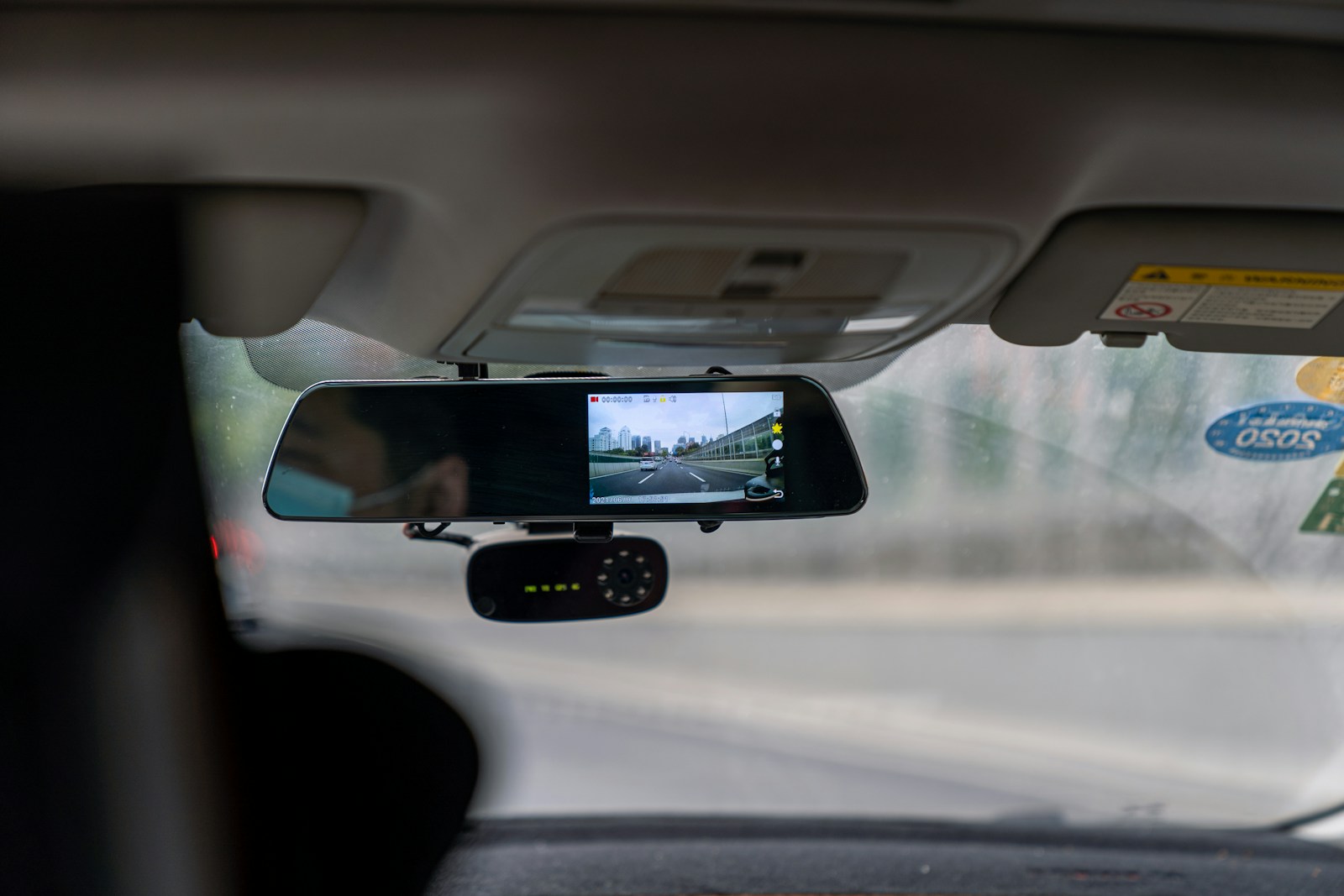
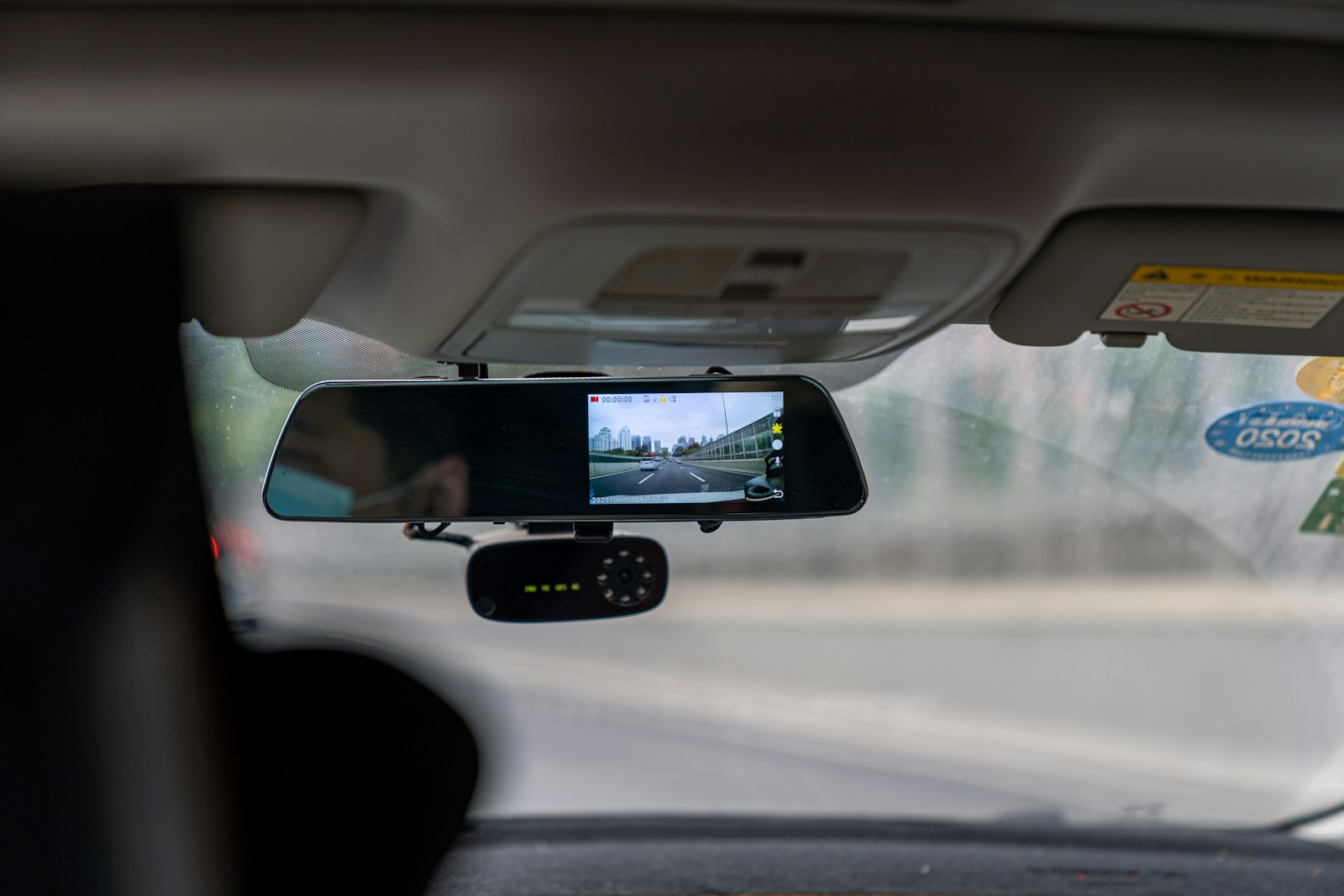
Dashcams and similar devices increasingly come with an array of features. As the name suggests, these devices include cameras that can record activity inside and outside the vehicle. They also can be equipped with audio recording capabilities permitting the recording of voice in and outside the vehicle. Additionally, dashcams can play a role in logistics, as they often include GPS technology, and they can contribute significantly to worker and public safety through telematics. In general, telematics help businesses understand how the vehicle is being driven – acceleration, hard stops, swerving, etc. More recently, dashcams can have biometrics and AI technologies embedded in them. A facial scan can help determine if the driver is authorized to be driving that vehicle. AI technology also might be used to help determine if the driver is driving safely – is the driver falling asleep, eating, using their phone, wearing a seatbelt, and so on.
Depending on how a dashcam is equipped or configured, businesses subject to the CCPA should consider whether the dashcam involves the processing of personal information that requires a risk assessment.
For instance, a risk assessment is required when processing “sensitive personal information.” Remember that sensitive personal information includes, among other elements, precise geolocation data and biometric information for identifying an individuals. While the regulations include an exception for certain employment-related processing, businesses would have to assess whether those apply.
Another example of processing personal information that requires a risk assessment is profiling a consumer through “systematic observation” of that consumer when they are acting in their capacity as an educational program applicant, job applicant, student, employee, or independent contractor for the business. The regulations define “systematic observation” to mean:
methodical and regular or continuous observation. This includes, for example, methodical and regular or continuous observation using Wi-Fi or Bluetooth tracking, radio frequency identification, drones, video or audio recording or live-streaming, technologies that enable physical or biological identification or profiling; and geofencing, location trackers, or license-plate recognition.
The regulation also defines profiling as:
any form of automated processing of personal information to evaluate certain personal aspects (including intelligence, ability, aptitude, predispositions) relating to a natural person and in particular to analyze or predict aspects concerning that natural person’s performance at work, economic situation, health (including mental health), personal preferences, interests, reliability, predispositions, behavior, location, or movements.
Considering the range of use cases for vehicle/fleet tracking technologies, and depending on their capabilities and configurations, it is conceivable that in some cases the processing of personal information by such technology could be considered a “significant risk,” requiring a risk assessment under the CCPA.
In that case, Part 2 of our post on risk assessments outlines the steps a business needs to take to conduct a risk assessment, including what must be included in the required risk assessment report, and timely certifying the assessment to the California Privacy Protection Agency.
It is important to note that this is only one of a myriad of potential processing activities that businesses engage in that might trigger a risk assessment requirement. Businesses will need to identify those activities and assess next steps. If the business finds comparable activities, it may be able to minimize the risk assessment burden, by conducting a single assessment for those comparable activities.
Again, the new CCPA regulations represent a fundamental shift toward proactive privacy governance under the CCPA. Rather than simply reacting to consumer requests and data breaches, covered businesses must now systematically evaluate and document the privacy implications of their data processing activities before they begin. With compliance deadlines approaching in 2026, organizations should begin now to establish the cross-functional processes, documentation practices, and governance structures necessary to meet these new obligations.