
By Graham Norris
Many people charged with DWI think the key decision is whether to plead or set trial. In reality, the first major battleground is discovery. Discovery is the process of getting the state’s evidence so your lawyer can test the case, spot weaknesses, and challenge bad police work.
In a Tarrant County DWI case, discovery can reveal far more than the arrest report. This article explains what your defense lawyer can request, where holes often appear, and how missing or incomplete records can create leverage for suppression, reduction, or dismissal.
Arrested for DWI in Tarrant County?
You have 15 days to fight a license suspension. Talk to a former Tarrant County prosecutor now.
Available 24/7 • Former Prosecutor • 3,600+ cases handled
What discovery means in a Tarrant County DWI case
Discovery includes reports, videos, lab records, maintenance data, and other materials the prosecution plans to rely on or must disclose. A complete discovery review turns assumptions into facts.
Without discovery, defendants are pressured to make decisions blindly. With discovery, counsel can evaluate legality of the stop, reliability of tests, officer credibility, and whether key proof is absent.
Core evidence your lawyer can demand
A thorough request package usually covers both liability evidence and technical records.
Typical discovery categories include:
- Offense reports and supplemental narratives
- Body-cam and dash-cam footage
- Dispatch audio and CAD event logs
- Standardized field sobriety test notes and training records
- Breath or blood test records, including maintenance and calibration logs
- Chain-of-custody forms and lab bench notes in blood cases
- Prior statements from civilian witnesses
- Any exculpatory material that may help the defense
Getting these items early allows targeted motions instead of generic arguments. This same approach applies when building a case around how to fight a DWI in Texas — discovery is where that fight often begins.
What is often missing or incomplete in DWI files
Discovery is rarely clean on first production. Files may arrive in pieces over weeks. Videos may be missing segments. Logs may be produced without the surrounding quality-control records needed to interpret them.
Video gaps and angle limits
Sometimes the most important moments are off-camera, muted, or partially blocked. Poor audio can hide key context during roadside questioning.
Sparse test documentation
A report may say field tests were “failed” without detailed scoring notes. In breath or blood cases, summary pages may appear without raw supporting data. This is especially relevant when challenging a breathalyzer result — the underlying calibration and maintenance records are just as important as the result itself.
Inconsistent timelines
Times in reports, dispatch logs, and video overlays may conflict. Those conflicts can matter for legality of detention and reliability of intoxication opinions.
How missing discovery creates defense leverage
Missing evidence does not automatically end a case. But missing or late disclosure can support specific legal actions.
Scenario: officer narrative claims clear signs of intoxication, yet body-cam footage for that segment is unavailable and no independent witness confirms the behavior. Quick takeaway: your lawyer may argue reliability problems, seek evidentiary limits, or press for better terms because the state cannot fully corroborate its own account.
Leverage may come through:
- Motions to compel production
- Motions to suppress evidence tied to procedural errors
- Requests for continuance to investigate late disclosures
- Cross-examination focused on absent corroboration
- Negotiation pressure when proof quality is low
Questions about your license or court date?
Get specific advice for your situation before you speak to anyone else.
Discovery review checklist for defendants and counsel
Strong defense work is organized. A practical review framework helps catch issues early.
- Build a master timeline from dispatch to release.
- Compare every timestamp across reports, video, and logs.
- Isolate each claimed indicator of intoxication and find supporting footage.
- Verify testing records are complete, not just summary pages.
- Track what is requested, produced, and still missing.
- Flag constitutional issues tied to stop length, questioning, and search scope.
This process turns a large file into a clear litigation plan. Prosecutors have a constitutional duty to disclose evidence favorable to the defense — making a complete discovery demand a critical first step in any DWI case.
Mini FAQ: DWI discovery Tarrant County
Can discovery keep arriving after my first court date? Yes. Production often occurs in waves, which is why early and repeated requests matter.
If evidence is missing, is dismissal guaranteed? No. Outcome depends on what is missing, why it is missing, and how central it is to the case. That said, a DWI dismissal is more achievable when discovery reveals significant gaps in the state’s evidence.
Should I plead before discovery is complete? That decision is case-specific, but pleading before full review can mean giving up viable defenses.
How discovery affects suppression motions and trial preparation
Discovery does more than support negotiation. It determines whether suppression motions are viable and how precise those motions can be. A generic suppression request is easier to deny than a motion tied to exact timestamps, video frames, and report contradictions.
If dispatch logs show a prolonged detention before testing activity, counsel may challenge whether the continued detention was supported by specific facts. If video contradicts report claims about test instructions, counsel can attack reliability and officer credibility with specificity.
Records that are easy to overlook but often important
Certain records are less obvious yet can shape a case:
- officer training history relevant to field testing
- internal policy documents on camera activation
- metadata for uploaded video files
- audit trails showing edits or re-exports
- lab accession logs showing receipt conditions
These materials can reveal whether evidence was handled consistently with policy or whether corners were cut. A felony DWI attorney in Fort Worth will routinely request these overlooked records as part of a complete discovery audit.
Why early defense letters can preserve disappearing evidence
Digital evidence is not always retained indefinitely. Businesses may overwrite surveillance footage quickly, and some systems delete data on short cycles. Early preservation letters and subpoenas can protect footage that later becomes central to proving or disproving key allegations.
Don’t miss the 15-day ALR deadline
Protect your license and your record. Talk to Graham Norris today.
Call (817) 859-8985
Free Consultation
What a Complete Discovery Review Can Mean for Your Case
DWI discovery in Tarrant County is where many cases are won or lost long before trial. When your lawyer demands full records and audits them line by line, missing videos, incomplete logs, and timeline conflicts can become real leverage. The stronger the discovery review, the better your chance to challenge weak evidence and protect your outcome.
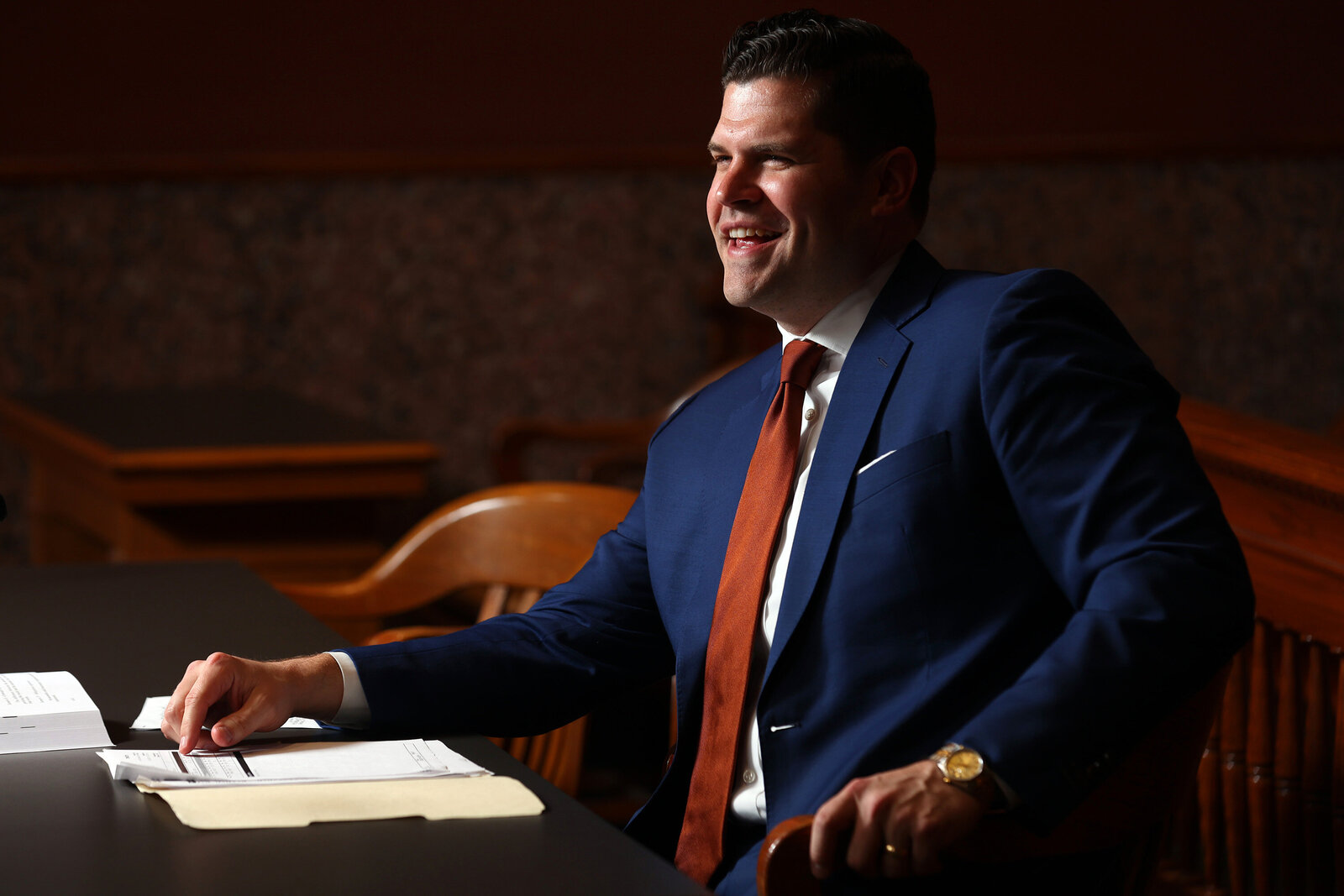
Graham Norris
Principal Attorney & Founder, Norris Legal Group PLLC
Graham Norris is an award-winning criminal defense attorney and former Tarrant County prosecutor with over a decade of courtroom experience. He has earned countless dismissals and not guilty verdicts on charges ranging from misdemeanor assault to felony murder. Graham has been recognized as a National Trial Lawyers Top 40 Under 40 attorney, named a Texas Monthly Super Lawyers Rising Star, and selected as a Top Attorney by Fort Worth Magazine.
Former Assistant District Attorney • Texas A&M School of Law Graduate • Member, National Order of Barristers
The post DWI Discovery in Tarrant County: What Evidence Your Lawyer Can Demand (and What’s Often Missing) appeared first on norrislegaldefense.com.