
By Graham Norris
A lot of people carry a dangerous assumption: that pulling into a parking lot, stopping in an apartment complex, or sitting in a private driveway puts them beyond the reach of Texas DWI law. It’s a logical instinct — but it’s wrong often enough that it’s gotten people arrested and convicted while believing they were in the clear. Where you are when an officer finds you matters far less than whether the public had access to that space.
Arrested for DWI in Tarrant County?
You have 15 days to fight a license suspension. Talk to a former Tarrant County prosecutor now.
Available 24/7 • Former Prosecutor • 3,600+ cases handled
What Texas Law Actually Says
Texas Penal Code § 49.04 defines DWI as operating a motor vehicle while intoxicated in a public place. The statute does not say “public road” or “public highway.” It says public place — and Texas courts have interpreted that phrase broadly and consistently.
Critically, the question is not who owns the property. It’s whether the public has access to it. That distinction is what makes so many private property DWI arrests legally solid, and why the “I was on private land” defense rarely succeeds without a much more specific set of facts.
What Counts as a “Public Place” Under Texas DWI Law
Texas courts have made clear that publicly accessible areas on privately owned land qualify as public places for DWI purposes. That includes far more territory than most people realize.
Parking lots are the most common example. Whether it’s a bar, a grocery store, a restaurant, or a shopping center — if the general public drives in and out of it, it’s a public place. The fact that a business or property owner holds the deed is legally irrelevant.
Apartment complex roads and driveways frequently qualify as well. If residents, guests, delivery drivers, and service vehicles regularly use the roads, courts have found that substantial public access exists — enough to satisfy the statute.
Gas station lots, fast food drive-throughs, and hotel parking areas all fall into the same category. Any commercially operated space where the public is routinely invited with their vehicles is going to be treated as a public place.
Private driveways attached to residences sit in a grayer area, but are not automatically off-limits to prosecution. If the driveway connects to a public road and is accessible to visitors or passersby, prosecutors may still argue the public access threshold is met. Whether that argument holds depends heavily on the specific facts — gates, fencing, signage, and actual usage patterns all matter.
Where the line gets clearer is on genuinely restricted private land: a ranch with locked gates, a fully fenced private property with no public access, or a truly isolated residential area. These scenarios are far less likely to meet the public place standard — but they require a close factual analysis, not an assumption.
“Sleeping It Off” in a Parking Lot: Not Always Safe Either
One scenario comes up constantly in DWI arrests on private property — and it surprises people every time. Someone who feels too impaired to drive decides to pull into a parking lot and sleep it off in their car. The logic seems sound. They made the responsible choice not to drive. And yet, in Texas, they can still be charged.
The reason comes down to the word “operating” in the statute. Texas courts have found that a person can be “operating” a vehicle without the car being in motion. If the engine is running, if the keys are in the ignition, or if the person is seated in the driver’s seat in a position to control the vehicle, prosecutors may argue that operation was occurring — or was about to occur.
This doesn’t mean sleeping it off is always a losing hand, but it does mean the circumstances matter enormously. Keys in a pocket versus keys in the ignition. Engine running versus engine off. These details can become the difference between a charge that sticks and one that gets dismissed — and they’re exactly the kind of facts a defense attorney needs to examine carefully.
Questions about your license or court date?
Get specific advice for your situation before you speak to anyone else.
The Penalties Don’t Change Based on Location
One thing is straightforward: if you’re convicted of DWI on private property in Texas, you face the same consequences as any other DWI conviction. First offense penalties under the Texas Penal Code include up to 180 days in jail, fines up to $2,000, and a license suspension. Prior convictions escalate those stakes significantly, as covered in depth in the overview of first offense DWI in Texas.
The location of the arrest provides no sentencing discount and no automatic defense. What it can do is open a specific legal argument — but only if the facts support it.
Where the Defense Lives
When a DWI arrest happens on private or semi-private property, there are several angles a defense attorney will examine:
Was the location truly a public place? If there’s a genuine argument that public access didn’t exist — restricted entry, private ownership that excluded the public, physical barriers — that element of the offense can be challenged directly.
Was the stop and arrest legally justified? An officer still needs reasonable suspicion to make a stop and probable cause to make an arrest. Those requirements don’t disappear because the encounter happened in a parking lot rather than on a highway. A stop made without proper legal basis is as challengeable here as anywhere else, along the same lines as any Texas DWI motion to suppress.
Was the vehicle actually being “operated”? If the engine was off, keys were out of the ignition, and there’s evidence the person had no immediate intent to drive, the operation element of the charge may be contested.
Don’t miss the 15-day ALR deadline
Protect your license and your record. Talk to Graham Norris today.
Call (817) 859-8985
Free Consultation
Don’t Assume the Location Protects You
If you were arrested for DWI in a parking lot, an apartment complex, a private driveway, or anywhere else that wasn’t a public road, that location is not a defense on its own — but it may be the starting point for one. The facts of where you were, what you were doing, and how the officer came to encounter you all feed into a larger defense picture.
At Norris Legal Group, Graham Norris built his practice on digging into exactly those kinds of details. Contact the firm today for a free consultation and find out what your situation actually looks like under Texas law.
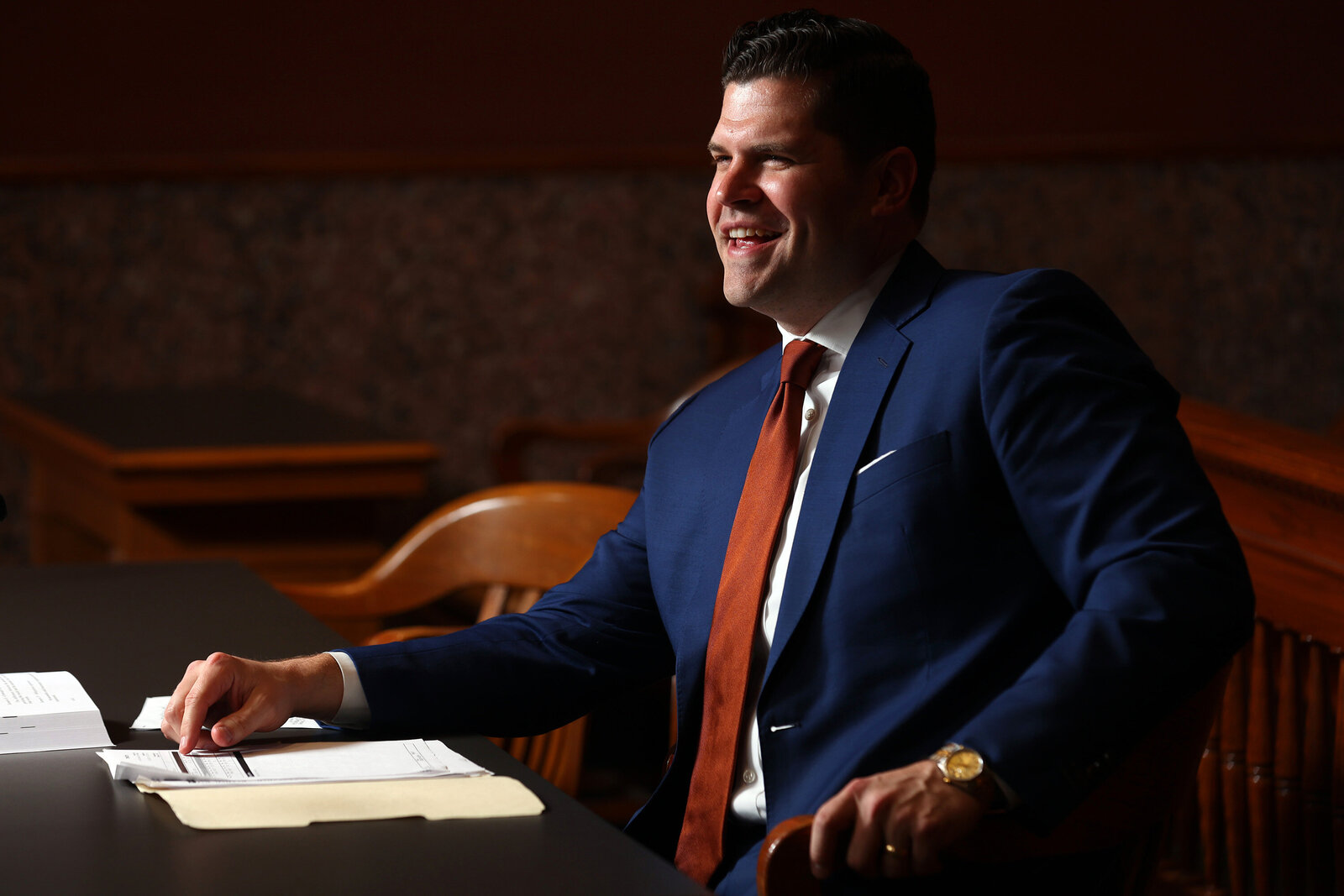
Graham Norris
Principal Attorney & Founder, Norris Legal Group PLLC
Graham Norris is an award-winning criminal defense attorney and former Tarrant County prosecutor with over a decade of courtroom experience. He has earned countless dismissals and not guilty verdicts on charges ranging from misdemeanor assault to felony murder. Graham has been recognized as a National Trial Lawyers Top 40 Under 40 attorney, named a Texas Monthly Super Lawyers Rising Star, and selected as a Top Attorney by Fort Worth Magazine.
Former Assistant District Attorney • Texas A&M School of Law Graduate • Member, National Order of Barristers
The post DWI in a Parking Lot or Private Property in Texas: Can You Still Be Charged? appeared first on norrislegaldefense.com.