
By Graham Norris
Being accused of assault can make everything feel urgent and uncertain. You may be worried about jail, your job, your family, your reputation, a protective order, or what the accusation will do to your record.
The first meeting with a defense lawyer should reduce that uncertainty. You should leave with a clearer understanding of what happens next, what information the lawyer needs, and what steps should be taken immediately.
Graham Norris describes the goal of that first meeting in straightforward terms: understand what really happened, answer the client’s questions, and build a plan for the next moves. If you are facing an assault allegation, a Fort Worth assault attorney can help you understand the process and what to expect.
Accused of Assault in Tarrant County?
An accusation is not a conviction. Get a former prosecutor to challenge the case against you now.
Domestic violence • Assault causing bodily injury • Family violence • Protective orders
The Lawyer Will Want Your Version in Detail
An assault case often begins with competing stories. The police may have a report. The complaining witness may have made a statement. Other witnesses may have given their own accounts. Video or audio may show part of the event.
Before analyzing those other versions, your lawyer needs to understand yours.
Expect questions about:
- Where the incident occurred.
- Who was present.
- What happened before the conflict began.
- What was said.
- Who moved toward whom.
- Whether anyone was injured.
- Whether you believed you needed to protect yourself or someone else.
- Whether any recording exists.
- What you said to police.
- Whether there were earlier disputes, messages, or events that provide context.
Small details can matter. Graham has emphasized that in assault and self-defense cases, context and the accused person’s state of mind may be important to understanding what actually happened.
Bring the Documents You Have
If possible, bring or make available any paperwork related to the case. That may include:
- Bond paperwork.
- Court notices.
- Protective orders or no-contact orders.
- Citation or arrest documents.
- Conditions of release.
- Police paperwork you were given.
- Any notice of an upcoming court date.
Do not violate a court order in an effort to gather information. If you are uncertain about what a bond condition or protective order allows, ask your lawyer before contacting anyone involved in the case.
Preserve Evidence, but Do Not Alter It
If you have relevant evidence, tell your lawyer where it is and preserve the original material.
Useful evidence can include photos, videos, messages, call logs, emails, social-media messages, location information, and the names of people who saw or heard something relevant.
Do not edit recordings, delete messages, or ask witnesses to change their accounts. Do not post evidence online to defend yourself publicly. Your lawyer can decide how evidence should be preserved, obtained, and presented.
The Lawyer Will Compare Your Account With the Other Evidence
After understanding your story, the defense can begin gathering the other versions of the incident.
Graham Norris describes this as a careful comparison process. The defense reviews what police wrote, what witnesses said, and what recordings show. The goal is to identify where the accounts agree, where they conflict, and what evidence helps establish the full context.
That can include comparing a police report with body-camera video, identifying statements that changed over time, determining whether a witness may have a bias or motive to exaggerate, or locating evidence that was not included in the original investigation.
If Self-Defense May Apply, Expect Detailed Questions
Texas law recognizes self-defense in qualifying circumstances. Under Texas Penal Code Section 9.31, force may be justified when and to the degree a person reasonably believes the force is immediately necessary to protect against another person’s use or attempted use of unlawful force, subject to statutory limitations.
If self-defense is part of the case, the lawyer may ask closely about what you saw, heard, and reasonably believed at the moment you acted. The lawyer may also ask about what happened immediately before and after the use of force.
That is not because the lawyer doubts your account. It is because self-defense depends heavily on facts and context.
You Should Discuss What You Already Said
Tell your lawyer what you said to police, witnesses, the complaining witness, friends, family, or anyone else about the incident.
Do not hide a statement because you think it sounds bad. Your lawyer needs the complete picture in order to understand how the State may use it and whether other evidence changes its meaning.
If you admitted that you used force, that does not automatically mean you admitted to a crime. The legal question may still include whether the force was justified.
Want the charges reduced or dismissed?
Let a former prosecutor evaluate weaknesses in the evidence and any self-defense claim.
You Should Leave With a Plan
According to Graham, one of the most important purposes of the first meeting is to make sure the client leaves with a structure for what happens next after facing assault charges.
That plan may include:
- Obtaining police reports and recordings.
- Preserving surveillance or cellphone video.
- Identifying witnesses.
- Following bond and court requirements.
- Avoiding prohibited contact.
- Gathering documents or records.
- Preparing for an upcoming court setting.
- Deciding whether early communication with investigators or prosecutors is appropriate through counsel.
The specific plan will depend on where the case is in the process. A person under investigation but not yet charged may need a different strategy from someone who has already been arrested and has a court date.
Ask the Questions That Are Keeping You Up at Night
A good first meeting is not only an evidence interview. It is also your opportunity to understand the process.
Ask about the charge, the possible range of outcomes, the next court date, bond conditions, what contact is prohibited, how long the process may take, what evidence is likely to be available, and what you should be doing now.
Graham has said that part of the lawyer’s role is to demystify a process that can be frightening. You should not leave the meeting more confused than when you arrived.
Charged or questioned about assault?
Get a defense strategy before you talk to law enforcement or the DA.
Call (817) 859-8985
Free Consultation
What Not to Do Before the Meeting
- Do not contact the complaining witness if a court order or bond condition prohibits it. Even if contact is technically permitted, discuss the risks with your lawyer first.
- Do not delete messages or recordings.
- Do not post about the accusation online.
- Do not ask witnesses to “get their story straight.”
- Do not ignore court dates or release conditions.
And do not assume a misdemeanor assault is too minor to take seriously. An assault allegation can have consequences beyond the immediate sentence, particularly when family violence allegations or future background checks are involved.
Preparation Starts With Understanding What Happened
Your first meeting with an assault defense lawyer should have a practical purpose. The lawyer needs to understand your account, identify urgent risks, determine what evidence should be preserved, explain the legal process, and give you a plan for the next steps.
Norris Legal Group represents people facing assault and self-defense-related charges in Fort Worth and Tarrant County. If you have been arrested, charged, or believe you are under investigation, contact a Fort Worth assault attorney for a free consultation. Bring the information you have, be candid about what happened, and be prepared to work through the facts in detail.o work through the facts in detail.
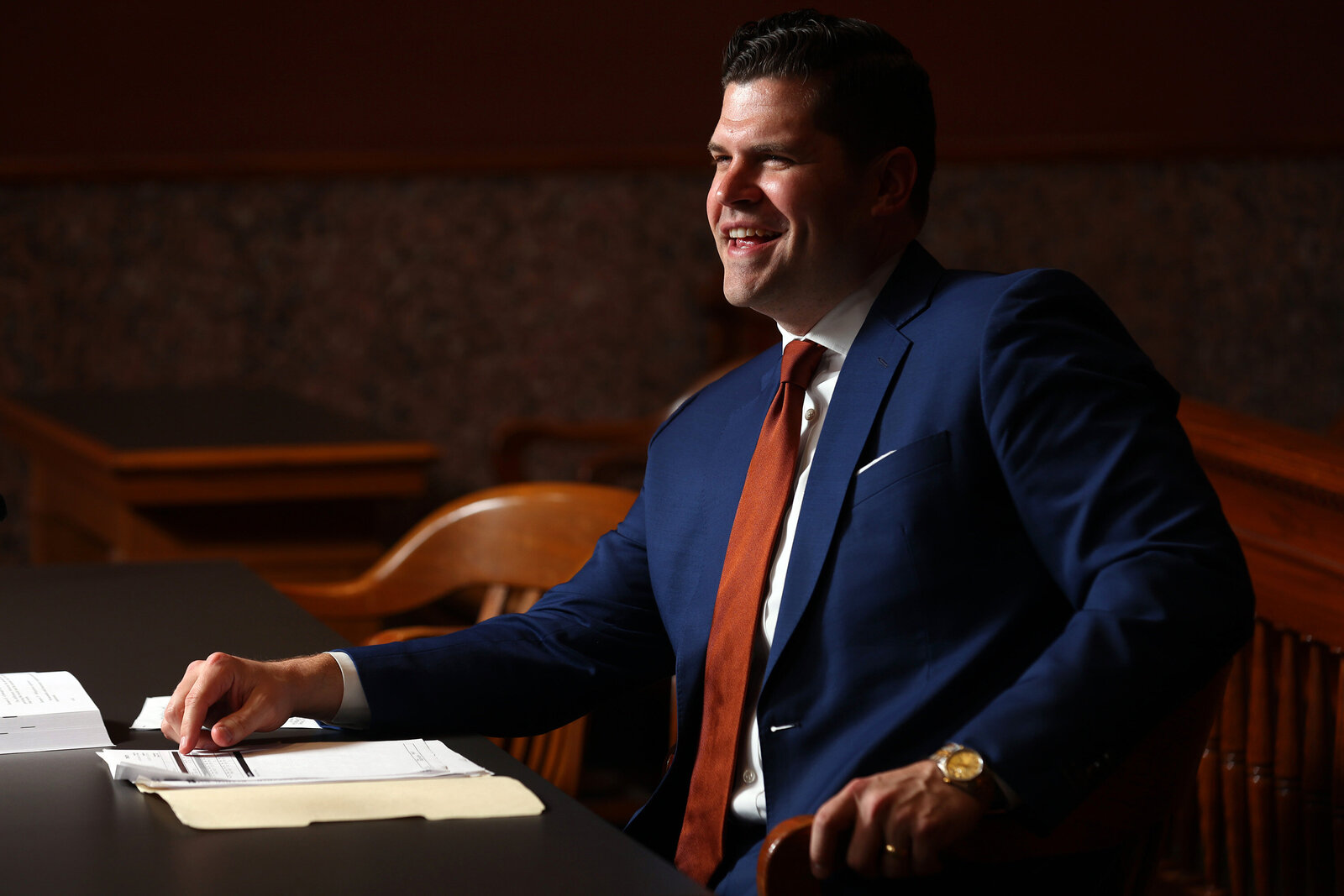
Graham Norris
Principal Attorney & Founder, Norris Legal Group PLLC
Graham Norris is an award-winning criminal defense attorney and former Tarrant County prosecutor with over a decade of courtroom experience. He has earned countless dismissals and not guilty verdicts on charges ranging from misdemeanor assault to felony murder. Graham has been recognized as a National Trial Lawyers Top 40 Under 40 attorney, named a Texas Monthly Super Lawyers Rising Star, and selected as a Top Attorney by Fort Worth Magazine.
Former Assistant District Attorney • Texas A&M School of Law Graduate • Member, National Order of Barristers
The post What to Expect at Your First Meeting With an Assault Defense Lawyer appeared first on norrislegaldefense.com.