
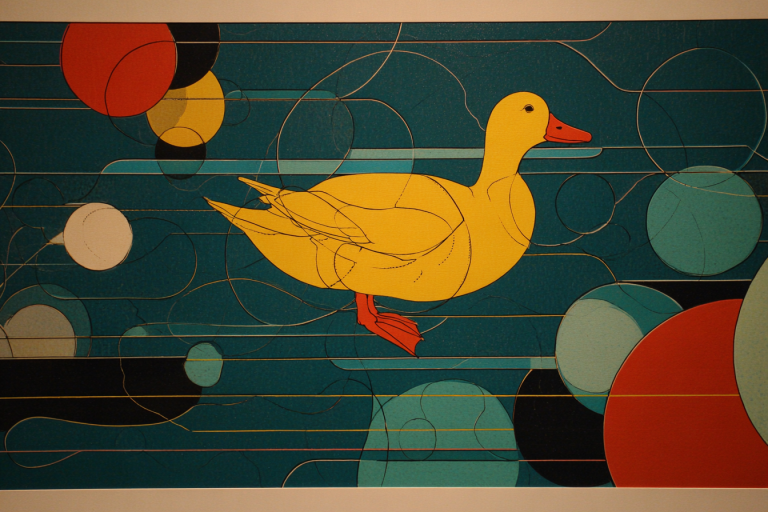
So many of the professionals I work with make every effort to make their success look seamless. The problem is, in reality, they are like the duck: frantically paddling away to make it all work.
Another way to think about it is the circus performer who is running from pole to pole trying to keep all of the plates spinning. As the professionals rise through the ranks, they accumulate more and more plates. And they gain a reputation for being able to keep them all spinning. Those accolades make it harder to admit that they are exhausted and need help.
Unfortunately, this tends to end badly. It might look like the individual becoming ill. It might look like their work product diminishing. It might look like them losing patience or acting out of the ordinary. The once high-performing individual is now struggling.
Recently, I had begun feeling this way. It snuck up on me. I felt like I was paddling just as fast as I could and was only making incremental progress. As the business has grown, the pressure of keeping all of the plates spinning had slowly intensified. When you are a solopreneur, it’s not just about working in the business (coaching, facilitating, speaking). It’s also working on the business (administration, finance, business development, etc). Never mind lifting your head up to focus on vision and strategy. As a result, I was burning the candle at both ends and not much fun to be around.
It doesn’t have to be this way.
How do you continue to be ambitious while doing it in a way that is sustainable?
We need to set healthy boundaries, both with ourselves and others. We need to delegate effectively so that we can focus on those things that only we can do. We need to recognize when we’re out over our skis and need help.
But here’s what I’ve noticed: most high achievers already know these things. The challenge isn’t awareness, it’s figuring out what you actually want and how to make meaningful change happen.
So let me ask you a different question:
What would it cost you to keep paddling at this pace for another five years?
Sit with that question for a moment.
The Shift from Surviving to Thriving
When you’ve built your reputation on being the one who handles everything, slowing down can feel like failure. But consider this: the duck that paddles frantically in one spot isn’t actually getting anywhere. It’s just staying afloat.
What if sustainable ambition isn’t about paddling harder, but about paddling with intention toward a vision that’s truly yours?
Three Questions Worth Sitting With
- Which plates are you holding onto out of habit? Some of those plates you’re still spinning are ones you mastered long ago. You’ve been recognized for them. Praised for them. But just because you’re good at something doesn’t mean it still belongs on your list. What might open up if you finally handed that plate to someone else?
- Can you celebrate how far you’ve come while still reaching for more? Ambition and acknowledgment aren’t opposites. You don’t have to wait until you’ve “arrived” to recognize what you’ve already accomplished. What would it feel like to celebrate your progress even as you continue to grow?
- Who is helping you break the pattern? Awareness alone doesn’t change behavior. Sometimes you need a thinking partner, someone who can help you see the loop you’re caught in and work with you to step out of it. When was the last time you had that kind of support?
A Different Way Forward
Sustainable success isn’t about doing less. It’s about doing what matters, with clarity, support, and room to breathe.
It might mean letting go of a responsibility you’ve outgrown. It might mean finally naming what you want, even if you’re not sure how to get there yet. It might mean finding someone who can help you map a new way forward.
The professionals I work with often come to me when they’ve realized that their current approach has an expiration date. They’re still successful by external measures, but internally, something has shifted. They’re ready to stop just staying afloat and start moving with purpose toward something that feels like theirs.
You don’t have to figure this out alone.
If you’re feeling the exhaustion of all that paddling, I invite you to take one small step: pause and ask yourself what would change if you gave yourself permission to do this differently.
And if you’d like a thinking partner for what comes next, I’m here.