
Investment Mgmt.

Did you miss your chance to lower your taxes for last year?
Not necessarily.
If you’re like many successful families we work with, you’ve done a great job building wealth, but tax planning often feels rushed between year-end decisions and filing deadlines. The good news? There are still meaningful strategies available before you submit your return.
Here are four strategies

At Alterra, we believe great financial outcomes come from a clear process, guided by the right team, over time. Our purpose is simple: helping you use your wealth to create a life you love.
After working with families, professionals, and business owners across every stage of wealth, we see a consistent pattern. While circumstances differ, many failed or underperforming plans

The start of a new year often brings legacy questions into sharper focus for families. Time spent with children and grandchildren over the holidays tends to bring renewed perspective.
Many families begin asking:
  • Are our plans still aligned with what we want for our family?
  • Do our structures reflect our values as clearly as they once did?
  • If our wealth

Table of Contents

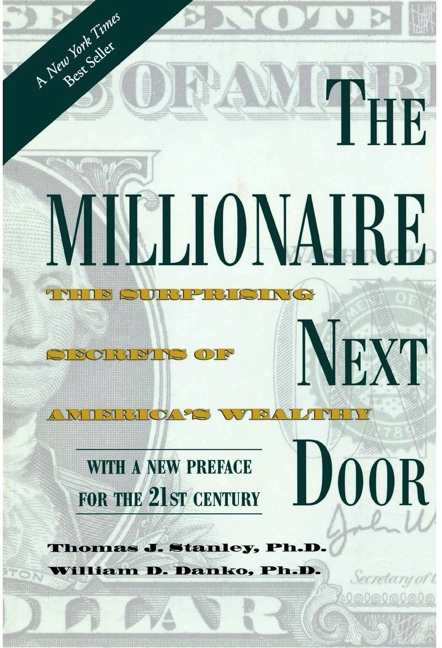
The Millionaire Next Door by Stanley and Danko

Why This Book Matters

A groundbreaking study that demolishes myths about wealth and reveals the actual spending and planning habits of America’s millionaires.

Many families today are navigating a tension that previous generations rarely faced so directly. On one hand, parents want to help their adult children. They see the reality clearly: higher housing costs, student debt, delayed wealth-building, and a world that feels more complex and unforgiving than the one they entered decades ago. On the other hand, there’s an unspoken concern

January has a way of inviting reflection. The holidays wind down, spending settles, markets reopen for the new year, and retirees often find themselves asking some important questions:
“Are we still on track?”“Are we spending too much?”“Is this the life we want right now?”
Retirement isn’t a fixed point. It evolves. And the start of the year is when many

The S&P 500 fell nearly 50% during the 2000–2002 Tech Wreck, recovered to new highs, and then collapsed another 57% during the 2007–2009 Great Financial Crisis. Most investors view these as two separate disasters. They weren’t.

A more useful way to view this period is as a single bear market that followed the extraordinary 1982–2000 run. That bear began in