

California stands as one of the most progressive states in the nation when it comes to protecting workers. Understanding ca employees rights is essential for every person working within the state’s borders, regardless of immigration status, industry, or job title. The Golden State provides robust protections that extend far beyond federal minimums, covering everything from wage and hour standards to comprehensive anti-discrimination measures. As California continues to strengthen worker protections through new legislation, employees must stay informed about their legal entitlements to ensure fair treatment in the workplace. This comprehensive guide explores the fundamental rights guaranteed to California workers in 2026, providing the knowledge necessary to recognize violations and take appropriate action.
Wage and Hour Protections
California’s wage and hour laws establish some of the strongest worker protections in the United States. These regulations ensure employees receive fair compensation for their time and labor while preventing exploitative practices.
Minimum Wage Standards
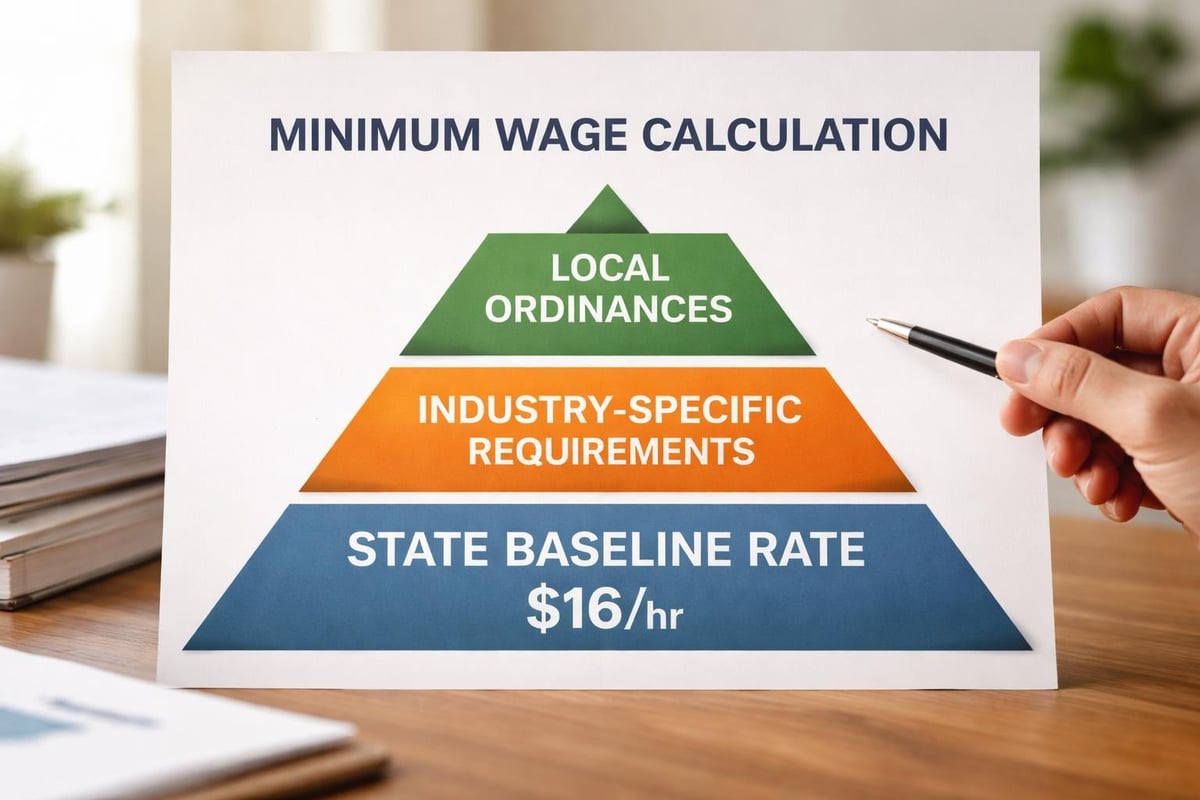
The state minimum wage in California for 2026 varies based on employer size and location. Many cities and counties have established higher minimum wages than the state requirement, creating a complex landscape that employees must navigate. Workers should verify the specific minimum wage applicable to their work location to ensure proper compensation.
Key minimum wage protections include:
- Regular hourly rate requirements that exceed federal standards
- Enhanced rates for specific industries like healthcare and fast food
- Annual adjustments based on inflation
- Local ordinances that may mandate higher wages
Overtime Compensation
Understanding overtime rules represents a critical component of ca employees rights. California law mandates overtime pay at one and a half times the regular rate for hours worked beyond eight in a single day or forty in a workweek. Double-time compensation applies to hours exceeding twelve in one day or beyond eight on the seventh consecutive workday.
| Work Scenario | Overtime Rate | Calculation Basis |
|---|---|---|
| Over 8 hours/day | 1.5x regular rate | Daily hours |
| Over 12 hours/day | 2x regular rate | Daily hours |
| Over 40 hours/week | 1.5x regular rate | Weekly hours |
| 7th consecutive day (first 8 hours) | 1.5x regular rate | Weekly pattern |
| 7th consecutive day (over 8 hours) | 2x regular rate | Weekly pattern |
The California Department of Industrial Relations provides detailed information about these protections, emphasizing that they apply to all workers regardless of immigration status.
Meal and Rest Break Requirements
California mandates specific break periods that employers must provide during work shifts. Employees working more than five hours receive a thirty-minute unpaid meal break, with a second meal break required for shifts exceeding ten hours. Rest breaks of ten paid minutes occur for every four hours worked.
Employers who fail to provide these breaks must pay one additional hour of compensation at the regular rate for each violation. This penalty applies separately for missed meal breaks and rest breaks, potentially resulting in two hours of additional pay per day.
Anti-Discrimination and Harassment Protections
California’s Fair Employment and Housing Act establishes comprehensive protections against workplace discrimination and harassment. These safeguards extend to a broader range of protected characteristics than federal law requires.
Protected Categories
The state prohibits discrimination based on numerous characteristics, creating an inclusive workplace environment. The California Civil Rights Department enforces these protections and investigates complaints from workers who experience unlawful treatment.
Protected characteristics include:
- Race, color, and national origin
- Religion and religious dress or grooming practices
- Sex, gender, gender identity, and gender expression
- Sexual orientation
- Age (40 and older)
- Disability (physical and mental)
- Medical condition (including genetic information)
- Marital status
- Military and veteran status
- Pregnancy, childbirth, and related conditions
Harassment Prevention Requirements
Employers with five or more employees must provide sexual harassment prevention training to supervisors and nonsupervisory employees. Supervisors receive two hours of training every two years, while nonsupervisory staff receive one hour within the same timeframe. This requirement ensures workplace environments remain professional and respectful.
Beyond sexual harassment, California law prohibits all forms of harassment based on protected characteristics. Employers must take immediate corrective action when harassment occurs and cannot retaliate against employees who report such behavior.
Leave Entitlements and Time Off
Understanding leave rights constitutes an essential aspect of ca employees rights, as California provides numerous opportunities for protected time away from work.
Family and Medical Leave
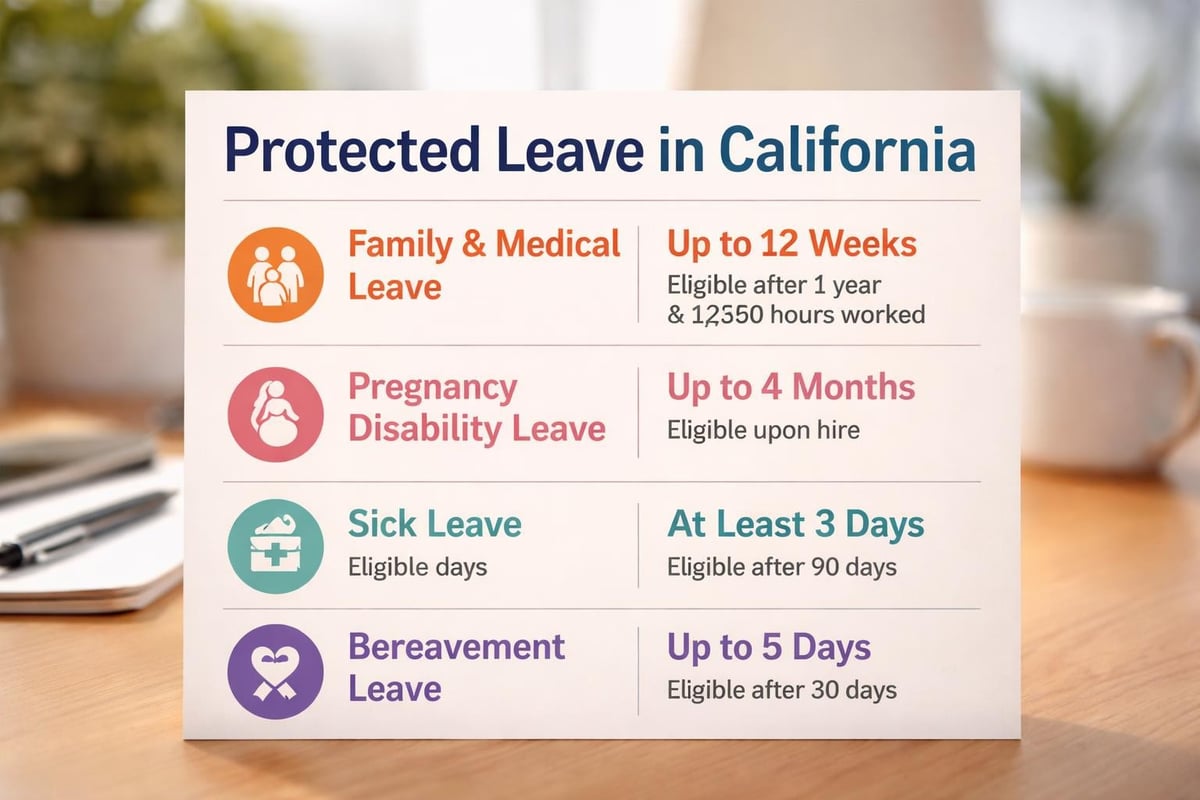
California’s Family Rights Act (CFRA) parallels federal protections while offering enhanced benefits. Eligible employees receive up to twelve weeks of job-protected leave for serious health conditions, bonding with a new child, or caring for a family member with a serious health condition.
CFRA eligibility requirements:
- Employment with the same employer for at least twelve months
- At least 1,250 hours worked in the twelve months before leave begins
- Work location with at least five employees within seventy-five miles
The state’s Paid Family Leave program provides partial wage replacement during leave, ensuring workers can afford to take necessary time off. This benefit operates through the State Disability Insurance program, funded by employee payroll deductions.
Sick Leave Protections
California requires employers to provide paid sick leave to employees who work at least thirty days within a year. Workers accrue one hour of sick leave for every thirty hours worked, with a minimum accrual of twenty-four hours or three days per year. Employers may cap annual use at the same amount.
| Sick Leave Aspect | Requirement |
|---|---|
| Accrual rate | 1 hour per 30 hours worked |
| Minimum accrual | 24 hours (3 days) annually |
| Maximum use cap | 24 hours (3 days) annually |
| Carryover | Accrued unused hours carry to next year |
| Permitted uses | Employee illness, family member care, preventive care |
Pregnancy Disability Leave
Pregnant employees disabled by pregnancy, childbirth, or related medical conditions receive up to four months of job-protected leave. This protection exists separately from CFRA leave, allowing eligible workers to combine both for extended time off following childbirth.
Workplace Safety Standards
California maintains rigorous workplace safety requirements through Cal/OSHA, the state’s occupational safety and health program. These standards protect ca employees rights to work in environments free from recognized hazards.
Employer Responsibilities
Employers must establish and maintain safe working conditions, provide necessary safety equipment, and train employees on hazard recognition and prevention. The Division of Labor Standards Enforcement works alongside Cal/OSHA to ensure compliance with safety regulations.
Workers have the right to refuse dangerous work when they reasonably believe conditions pose imminent danger of death or serious injury. Employers cannot retaliate against employees who exercise this right or report safety violations to regulatory agencies.
Injury and Illness Prevention
Every California employer must implement an Injury and Illness Prevention Program (IIPP) that identifies workplace hazards and establishes procedures for correcting unsafe conditions. These programs require regular safety inspections, employee training, and documentation of all safety-related activities.
Essential IIPP components:
- Written safety policies and procedures
- Regular hazard assessments and inspections
- Methods for investigating workplace accidents
- Employee safety training programs
- Systems for correcting identified hazards
- Documentation and record-keeping procedures
Retaliation Protections
California law provides strong protections against employer retaliation when workers exercise their legal rights. Retaliation occurs when employers take adverse action against employees for engaging in protected activities.
Protected Activities
Employees can engage in numerous activities without fear of retaliation, including filing complaints about wage violations, reporting discrimination or harassment, requesting reasonable accommodations, taking protected leave, or participating in workplace investigations. The new labor laws in California strengthen these protections further, requiring enhanced notice to employees about their rights.
Recognizing Retaliation
Retaliation manifests in various forms, from obvious actions like termination or demotion to subtle behaviors such as schedule changes, reduced hours, or increased scrutiny. Employees who experience adverse employment actions shortly after engaging in protected activity may have grounds for a retaliation claim.
Documenting the timeline of events, maintaining copies of relevant communications, and noting any changes in treatment helps workers build strong cases when retaliation occurs. California law presumes retaliation when adverse action occurs within ninety days of protected activity, shifting the burden to employers to prove legitimate business reasons.
Worker Classification and Rights
Proper worker classification significantly impacts ca employees rights, as misclassification can deprive workers of numerous protections and benefits.
The ABC Test
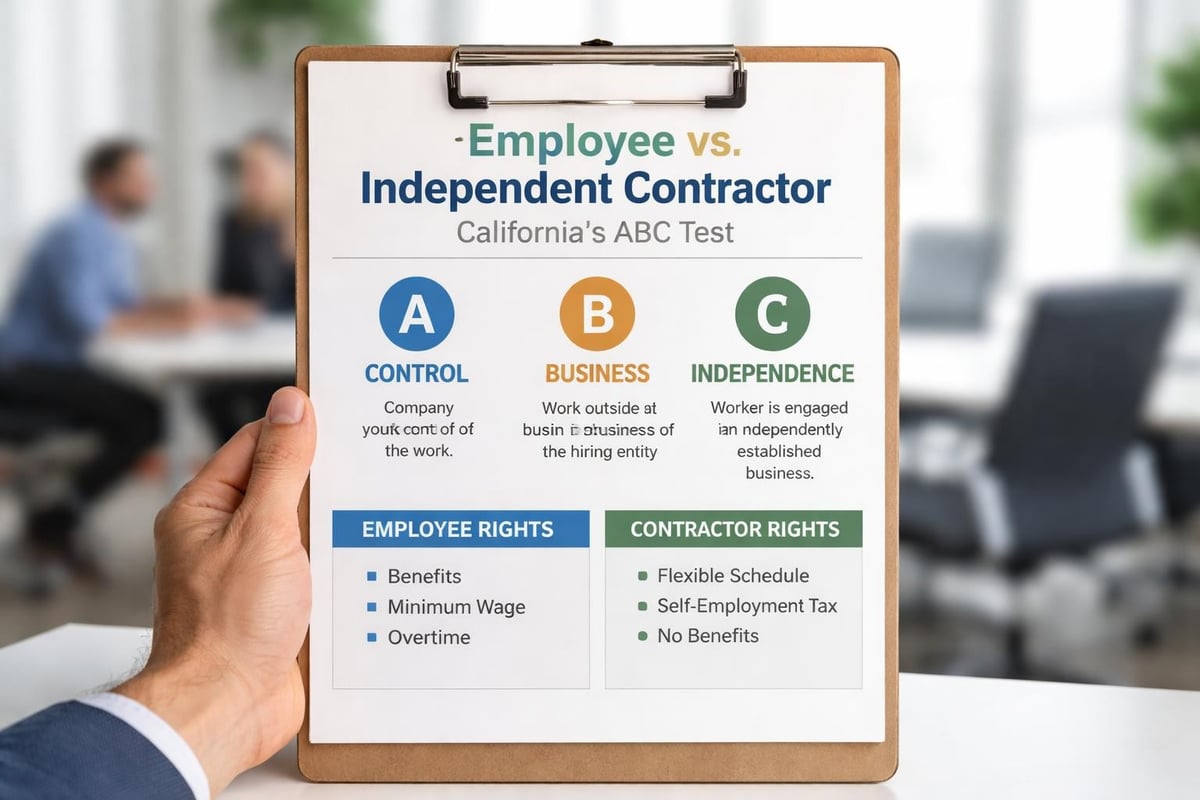
California applies the ABC test to determine whether workers qualify as employees or independent contractors. Under this standard, workers are presumed to be employees unless the hiring entity demonstrates all three conditions:
- A: The worker is free from the control and direction of the hiring entity
- B: The worker performs work outside the usual course of the hiring entity’s business
- C: The worker is customarily engaged in an independently established trade, occupation, or business
Misclassified workers lose access to minimum wage protections, overtime pay, meal and rest breaks, unemployment insurance, workers’ compensation, and other critical benefits. Employers who misclassify workers face significant penalties and must pay back wages and benefits.
Employee Rights Versus Contractor Status
True employees enjoy comprehensive protections under California law, while independent contractors maintain greater autonomy but fewer legal safeguards. Workers who believe they’ve been misclassified can file complaints with enforcement agencies to challenge their status.
Know Your Rights Notifications
Starting February 1, 2026, the Workplace Know Your Rights Act (SB 294) requires California employers to provide annual written notices to employees about their workplace rights. This legislation ensures workers receive regular reminders of the protections available to them.
Required Notice Content
The mandatory notice must cover specific topics including wage and hour rights, health and safety protections, anti-discrimination and anti-harassment protections, and information about how to report violations. Employers must provide this notice in English and the language understood by at least 10% of the workforce.
The annual notice includes information about:
- Minimum wage and overtime requirements
- Meal and rest break entitlements
- Sick leave and other protected time off
- Anti-discrimination and harassment protections
- Workplace safety rights and Cal/OSHA
- Right to be free from retaliation
- How to file complaints with enforcement agencies
Workers can access the official Know Your Rights Notice to verify they’re receiving complete information from their employers.
Enforcement and Complaint Procedures
Understanding how to enforce ca employees rights proves essential when violations occur. California provides multiple pathways for workers to seek remedies for workplace violations.
Filing Administrative Complaints
Workers can file complaints with various state agencies depending on the nature of the violation. The Division of Labor Standards Enforcement handles wage and hour complaints, while the California Civil Rights Department addresses discrimination and harassment claims. Cal/OSHA investigates workplace safety violations.
| Violation Type | Enforcement Agency | Statute of Limitations |
|---|---|---|
| Wage and hour | DLSE/Labor Commissioner | 3-4 years depending on violation |
| Discrimination/harassment | Civil Rights Department | 3 years |
| Workplace safety | Cal/OSHA | 6 months for complaints |
| Retaliation | DLSE or Civil Rights Dept | 3-4 years depending on basis |
Private Legal Action
Many violations also support private lawsuits, allowing workers to pursue remedies directly through the court system. Class action lawsuits address systemic violations affecting multiple employees, while individual claims resolve specific disputes.
Workers pursuing legal action should consult with employment attorneys who understand California’s complex labor laws. Many attorneys offer free initial consultations and work on contingency fee arrangements, making legal representation accessible regardless of financial resources.
Immigration Status and Worker Rights
California explicitly protects all workers regardless of immigration status, ensuring comprehensive coverage of ca employees rights across the entire workforce. The state prohibits employers from using immigration status to discriminate, retaliate, or intimidate workers.
Universal Protections
Undocumented workers enjoy the same wage and hour protections, workplace safety rights, and anti-discrimination safeguards as citizens and documented workers. Employers cannot use threats of immigration reporting to prevent workers from exercising their legal rights.
California law prohibits employers from requesting more or different documents than required for federal I-9 verification or re-verifying work authorization outside legally mandated circumstances. These protections prevent discrimination based on citizenship status or national origin.
Reporting Without Fear
Workers can report violations and pursue claims without fear that their immigration status will be used against them. While immigration status may become relevant in certain remedy calculations, it cannot prevent workers from asserting their fundamental workplace rights or seeking justice for violations.
Record-Keeping and Documentation
Employers must maintain detailed records of wages, hours, and working conditions, providing transparency that helps workers verify compliance with ca employees rights protections.
Required Employer Records
California mandates that employers keep records for at least three years, including time records showing when employees begin and end work, meal and rest periods taken, total daily hours worked, and total weekly hours. Wage statements must include specific information helping employees verify correct payment.
Itemized wage statement requirements:
- Gross wages earned
- Total hours worked (for non-exempt employees)
- Number of piece-rate units earned and applicable rates
- All deductions
- Net wages earned
- Pay period dates
- Employee name and last four digits of Social Security number
- Employer name and address
- Hourly rates in effect and corresponding hours worked
Employee Documentation Strategies
Workers should maintain personal records of hours worked, breaks taken, and wages received. Photographing time cards, saving pay stubs, and keeping calendars of work schedules creates independent verification of employment terms and compensation.
Documentation proves invaluable when disputes arise, providing evidence to support claims and helping workers reconstruct events accurately. Even simple notes about conversations with supervisors or changes in working conditions can strengthen cases significantly.
Reasonable Accommodations
California requires employers to engage in an interactive process to provide reasonable accommodations for disabilities, religious beliefs and practices, and pregnancy-related conditions. This obligation ensures workers can perform their jobs effectively while managing personal circumstances.
Disability Accommodations
Employers must accommodate known physical or mental disabilities unless doing so would create an undue hardship. Reasonable accommodations might include modified work schedules, reassignment to vacant positions, acquisition of assistive equipment, or workplace modifications.
The interactive process requires good-faith participation from both parties. Employers must consider employee accommodation requests seriously and engage in meaningful dialogue about effective solutions. Workers should clearly communicate their needs and limitations while remaining open to alternative accommodations that address essential functions.
Religious Accommodations
Employers must reasonably accommodate sincerely held religious beliefs, observances, and practices unless accommodation would create an undue hardship. Common religious accommodations include schedule modifications for religious observances, dress or grooming exceptions, and designated prayer or meditation spaces.
California’s comprehensive worker protection framework establishes robust ca employees rights that extend far beyond federal minimums, creating one of the nation’s strongest employee-friendly legal environments. Understanding these rights empowers workers to recognize violations and take appropriate action when employers fail to comply with legal obligations. Workplace Fairness provides extensive resources and guidance to help workers navigate complex employment law issues, offering the tools and information necessary to advocate effectively for fair treatment in the workplace.